Florida Sun and Your Eyes: Sunglasses, Golf and UV
Simple sun habits for the golf course, the pool and the golf cart.
Sun does not take a day off
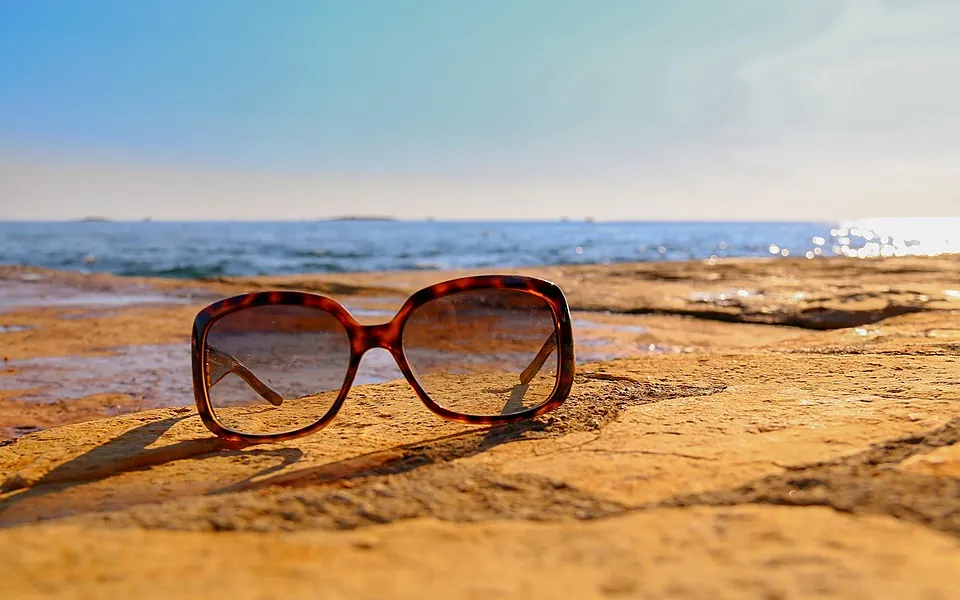
In The Villages, the sun shines on the golf course, the pickleball court, the pool and the open golf cart. Ultraviolet (UV) light is part of that sunlight, and it reaches your eyes as well as your skin.
MedlinePlus says sun exposure can damage your eyes and raise your risk of cataracts and age-related macular degeneration. Because of this, it advises sunglasses that block 99 to 100 percent of both UV-A and UV-B radiation.
Sun protection is simple to build into your day. First, put sunglasses on before you leave the house, the same way you reach for your keys or your golf glove.
What to look for in sunglasses
However, dark lenses are not the same as UV protection. So check the label for 99 to 100 percent protection from UV-A and UV-B.
Other features worth a look:
- Wraparound or large frames that block light coming in from the sides
- Polarized lenses, which cut glare off water and pavement and are popular on the course
- A fit that stays put, so you do not keep pushing them up
Not sure what a pair blocks? Then bring them in, and our optical team can help check.
Fit and comfort matter because glasses you do not like end up in the glove box. So try several shapes, walk around the optical, and look at a bright window. Then you will know which pair feels good enough to wear every day.
Add a hat
A wide-brim hat or a visor shades the top of your face. When you wear it with sunglasses, it cuts the light that sneaks in above and around the lenses.
That is easy to forget on a golf cart, where an open ride gives little cover during a morning round. Keep a hat and a spare pair of sunglasses in the cart so you always have them.
Also choose a hat that you will actually wear. For example, a light, breathable one with a chin strap handles the breeze on an open golf cart.
Prescription sunglasses and Transitions®
If you wear glasses every day, you have choices. Prescription sunglasses give you your own lens power with full tint. Transitions® lenses, on the other hand, are clear indoors and darken in sunlight, so you do not have to carry two pairs.
Many people keep both: everyday glasses with Transitions®, and a pair of prescription sunglasses for golf or the lake. Our optician can then explain which fits your prescription and frame.
Ask about a lens color for golf as well. Some tints make greens and contours easier to read. If you are curious, your optician can show you the choices in the shop.
Cloudy days, the pool and cataract surgery
One simple habit helps: wear your sunglasses on cloudy days, at the pool and on your drive.
If you have had cataract surgery, ask your eye doctor about sun protection for your eyes. When surgery is needed, we refer you to a trusted eye surgeon, and we co-manage your care with them.
Remember the drive home, too. Also, low morning and evening sun can be bright on the road. For this reason, keep sunglasses within reach in the car and the golf cart. Then you can put them on without hunting for them.
Check your eyes, too
Sun protection is only one piece. Also, a regular eye exam is how your doctor looks for early signs of cataracts and other conditions. In addition, NEI says people over age 60 should get a dilated eye exam every 1 to 2 years.
Sudden flashes of light, a shower of new floaters, a curtain over your vision, sudden vision loss or a chemical in the eye: call (352) 399-5412 right away, or go to the nearest emergency room.
This page is general information, not medical advice. Please talk with your eye doctor about your own eyes.
Ready for your visit? Request an Appointment or Call (352) 399-5412.
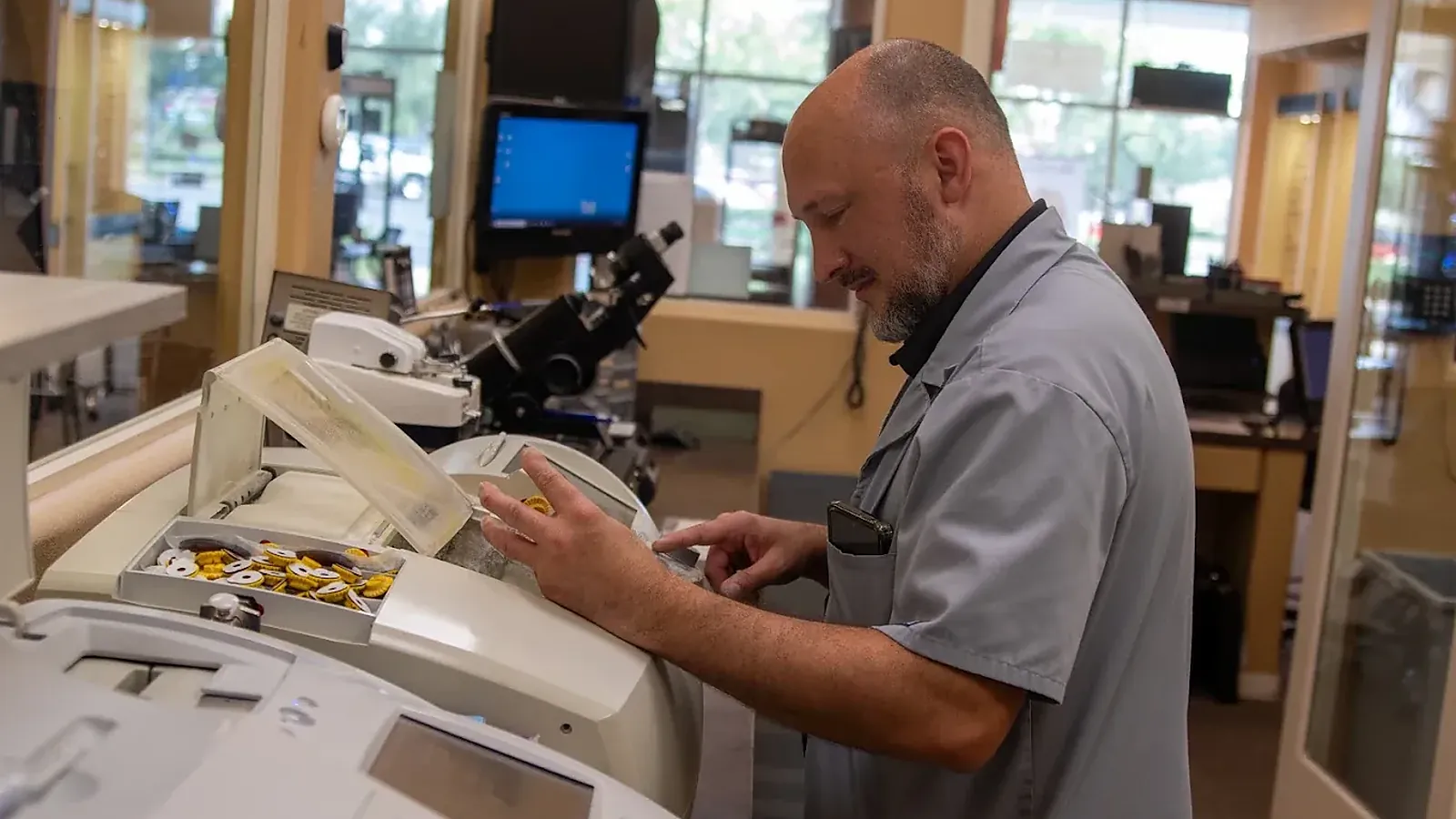
Glasses made on site, many in about an hour
Get your eyes checked, pick from thousands of frames, and watch our lab cut your lenses. Your prescription is yours, and you may take it anywhere.