Cataracts in The Villages, FL
Care for cataracts in The Villages, FL. Cataracts in The Villages are common, because many residents are over 60. A cataract is a cloudy area in the lens of the eye, and a simple eye exam can find it.
What is a cataract?
The lens sits behind the colored part of your eye. It helps focus light. With a cataract, the lens turns cloudy, so the world can look blurry or dim.
Most cataracts grow slowly. You may not notice at first. The change often shows up in everyday moments. For example, you may notice glare from headlights, a menu that looks dim or colors that seem washed out.
Common symptoms
Early cataracts often cause no signs. Later you may notice blurry or cloudy vision, faded colors or glare. You may also have trouble seeing at night, or double vision in one eye.
Call right away if this happens. Sudden flashes of light, a shower of new floaters, a curtain over your vision, sudden vision loss or a chemical in the eye: call (352) 399-5412 right away, or go to the nearest emergency room.
Who is at risk?
Risk goes up with age, especially after 60. Other things that raise risk include:
- Diabetes
- Smoking and heavy alcohol use
- A family history of cataracts
- Past eye injury or eye surgery
- Long sun exposure without eye protection
- Steroid medicines
What a cataract visit looks like
Here is what to expect when you come in for cataracts in The Villages. First, tell us what you notice. For example, mention night glare, faded colors or trouble reading a menu. Then our team checks how well you see the chart and measures your eye pressure.
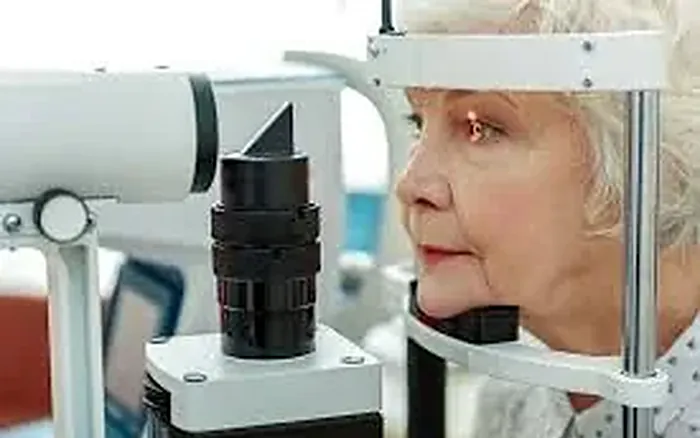
Next, Dr. Russell looks at your lens with a slit lamp microscope. He often uses dilating drops, so he can see the whole lens. The exam is painless. After dilation, your near vision may be blurry and light may bother you for a few hours. Because of that, bring sunglasses and ask a friend or family member to drive you home.
Questions to ask your eye doctor
A good visit includes your questions. For example, you might ask whether you have a cataract yet and whether it explains your symptoms. You can also ask how often to come back, and whether a new prescription would help for now. If surgery comes up, ask what the surgeon will want to know. We also welcome a list of your medicines.
Everyday tips while you wait
Many people live well with an early cataract. If you have cataracts in The Villages, you may drive golf carts and cars at dusk, so glare matters. In addition to a new prescription, brighter light and anti-glare lenses may help. A magnifier can also make small print easier. However, if glare makes night driving hard, tell us, so we can talk about what is safe for you.
Treatment options
When cataracts get in the way of reading or driving, surgery may be the next step. An ophthalmologist (eye surgeon) removes the cloudy lens and puts in a clear artificial one. Most people see better afterward.
Help With Cataracts in The Villages
Our care for cataracts in The Villages starts with a full exam. Dr. Russell's office checks your lenses at each exam and tracks any change over time. We update glasses as your vision shifts. When surgery makes sense, we refer you to a trusted eye surgeon. We co-manage your care with that surgeon, before and after the procedure. Dr. Russell is an optometrist and does not perform surgery.
If you have questions, call us at (352) 399-5412 or request an appointment at our Burnsed Blvd office.
Our office is at 2478 Burnsed Blvd. We are open Monday to Friday, 9:00 a.m. to 5:00 p.m. We welcome patients from The Villages, Lady Lake, Oxford, Summerfield, Wildwood and nearby.
This page is general information, not medical advice. Please talk with your eye doctor about your own eyes.
Common questions
Do cataracts come back after surgery?
The artificial lens does not cloud. Some people later get haze behind it, which your eye doctor can check for.
Can glasses fix a cataract?
Glasses cannot remove a cataract. A new prescription can help early on, until you need surgery.
Should someone drive me to my exam?
If you get dilating drops, ask a friend or family member to drive you home, because your vision may be blurry for a few hours.
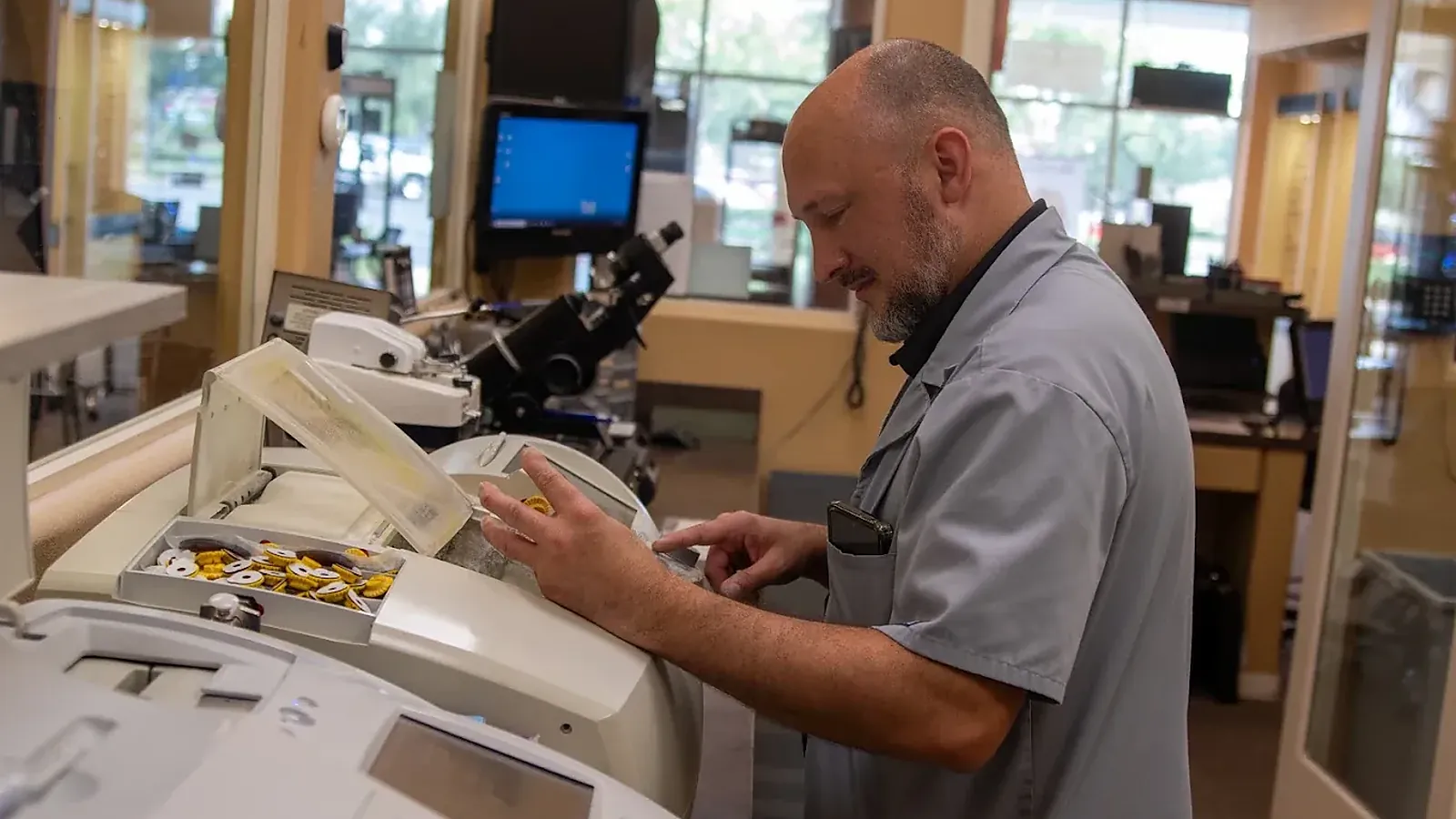
Glasses made on site, many in about an hour
Get your eyes checked, pick from thousands of frames, and watch our lab cut your lenses. Your prescription is yours, and you may take it anywhere.