Diabetic Retinopathy in The Villages, FL
Care for diabetic retinopathy in The Villages, FL. Diabetic retinopathy is damage to the tiny blood vessels in the retina caused by diabetes. It can start with no symptoms, so regular exams matter. Diabetic Retinopathy in The Villages is one reason many neighbors keep a yearly eye exam on the calendar.
What is diabetic retinopathy?
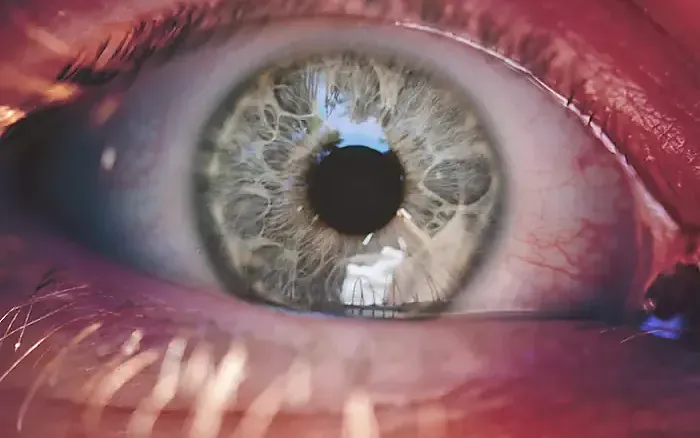
Over time, high blood sugar can harm the small blood vessels in the retina. The retina is the light-sensing layer at the back of the eye. The vessels can leak fluid or blood, or new fragile ones can grow.
Diabetes can also raise the chance of cataracts and glaucoma. That is another reason a full eye exam each year is a good habit for people with diabetes.
Common symptoms
Early on there are often no symptoms. Later you may have blurry vision, spots or strings floating in your sight, or dark areas. Vision may come and go.
Call right away if this happens. Sudden flashes of light, a shower of new floaters, a curtain over your vision, sudden vision loss or a chemical in the eye: call (352) 399-5412 right away, or go to the nearest emergency room.
Who is at risk?
Anyone with type 1, type 2 or gestational diabetes can develop it. Risk rises the longer you have diabetes. High blood pressure and high cholesterol add to it. Keeping blood sugar, blood pressure and cholesterol in your target range helps protect your eyes.
What a diabetic eye exam looks like
If you come in for Diabetic Retinopathy in The Villages, first tell us how long you have had diabetes and how your blood sugar has been. Then our team checks your vision and eye pressure. Next, Dr. Russell looks at the retina during a dilated exam. We may also take retinal photos, so we can compare them at later visits.
After dilation, your near vision may be blurry and light may bother you for a few hours. So bring sunglasses and ask a friend or family member to drive you home.
Questions to ask your eye doctor
For example, ask whether your retina shows any change. You can also ask when to come back. Most adults with diabetes need a dilated exam at least once a year. In addition, ask whether we can send a report to your primary care doctor. Then you will not need to carry the news between offices.
Everyday tips
Bring your list of medicines and your latest blood sugar numbers if you have them. Residents with Diabetic Retinopathy in The Villages often keep these in a small folder. Also, keep blood sugar, blood pressure and cholesterol in your target range, as your care team advises. However, do not wait for symptoms, because early diabetic eye disease often feels like nothing at all.
Treatment options
Early on, your doctor may only watch closely. When you need treatment, a retina specialist may use injections into the eye, laser treatment, or surgery for heavy bleeding or scarring. Treatment can slow the damage but may not bring back sight already lost.
Help With Diabetic Retinopathy in The Villages
Dr. Russell performs diabetic eye exams and records retinal findings. Then we can compare changes over time. With your permission, we send reports to your primary care doctor. If you need treatment, we refer you to a trusted retina specialist and co-manage your care. Dr. Russell is an optometrist and does not perform surgery.
Request an appointment or call (352) 399-5412. Please bring your list of medicines.
Our office is at 2478 Burnsed Blvd. We are open Monday to Friday, 9:00 a.m. to 5:00 p.m. We welcome patients from The Villages, Lady Lake, Oxford, Summerfield, Wildwood and nearby.
This page is general information, not medical advice. Please talk with your eye doctor about your own eyes.
Common questions
How often should I have an eye exam with diabetes?
Most adults with diabetes need a dilated exam at least once a year. Your doctor will set the schedule for you.
Can I have it and still see well?
Yes. It often causes no symptoms early on, which is why exams matter.
Do I need a driver after dilation?
It helps. Your vision may be blurry for a few hours, so ask someone to drive you home.
Glasses made on site, many in about an hour
Get your eyes checked, pick from thousands of frames, and watch our lab cut your lenses. Your prescription is yours, and you may take it anywhere.