Dilated & Diabetic Eye Exams in The Villages, FL
Care for dilated & diabetic eye exams in The Villages, FL. A dilated eye exam lets Dr. Russell see the back of your eye, where the retina and optic nerve are. With Dilated & Diabetic Eye Exams in The Villages, this check matters most if you have diabetes, because eye changes can start before you notice any difference in your vision.
What dilation does
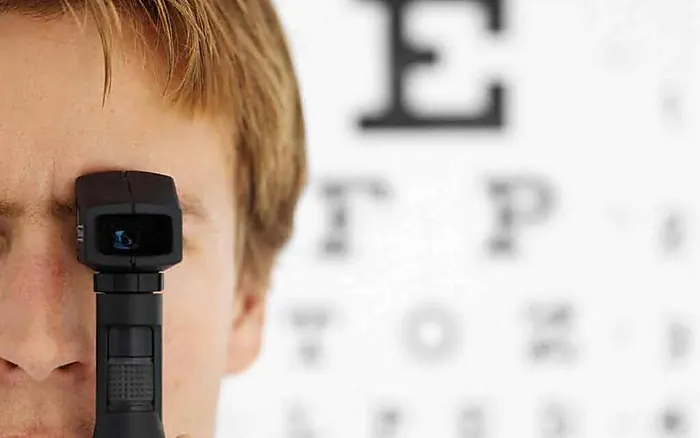
Drops widen your pupils so more light reaches the back of the eye. Near vision may be blurry and bright light uncomfortable for a few hours. Bring sunglasses, and plan for someone else to drive if you feel unsure.
First, drops go into your eyes. Then you wait while your pupils open. After that, Dr. Russell uses a bright light and magnifying lenses to look at the retina, the optic nerve and the blood vessels.
Why it matters with diabetes
The National Eye Institute says high blood sugar can damage the small blood vessels in the retina, a condition called diabetic retinopathy. It may cause no symptoms early on. The National Eye Institute says people with diabetes should have a comprehensive dilated eye exam at least once a year, and some people with diabetic retinopathy need one more often.
An exam is the usual way to find changes early. Tell us your recent blood sugar numbers and A1C, because they help Dr. Russell understand your health picture.
Other conditions we look for
The same exam helps check for glaucoma, age-related macular degeneration and cataracts, which become more common as we age. If you need a retina specialist or surgery, we refer you to a trusted eye doctor and co-manage your care with them.
Dr. Russell also looks at the optic nerve, the cable that carries images to your brain, and at the macula, the part of the retina you use for reading and faces. He explains findings in plain words, and you are welcome to ask questions.
Retinal imaging
Some visits also use retinal imaging, which takes a picture of the back of the eye. It may reduce the need for dilation in some cases, but the doctor decides what is right for you. Dilation is used when it is needed, so ask Dr. Russell which approach fits your visit.
After your exam
Dr. Russell explains what he found and what it means for your eyes. If everything looks healthy, he tells you when to return. If he sees a change, he explains the next step in plain words, and we refer you to a trusted eye doctor when you need one.
Wear your sunglasses on the way out, because bright light can bother dilated eyes. Also give yourself some time before you read or look at your phone. If you have diabetes, keep a record of your visit dates, since a yearly schedule is easy to forget. Dilated & Diabetic Eye Exams in The Villages are most useful as a regular habit.
Plan your visit
Bring your medicine list, your insurance cards and sunglasses. If you have diabetes, also bring your recent A1C if you know it. We accept Florida Blue, UnitedHealthcare, Aetna, Medicare, Cigna, Humana and other plans, and CareCredit.
However, coverage for diabetic exams varies. A routine vision visit and a medical eye visit can bill differently, so call (352) 399-5412 with your plan name and we will explain what applies.
Looking for Dilated & Diabetic Eye Exams in The Villages? Call (352) 399-5412 to book, or request an appointment on this site.
When to call right away
Sudden flashes of light, a shower of new floaters, a curtain over your vision, sudden vision loss or a chemical in the eye: call (352) 399-5412 right away, or go to the nearest emergency room.
This page is general information, not medical advice. Please talk with your eye doctor about your own eyes.
Sources: NEI (nei.nih.gov), MedlinePlus (medlineplus.gov/diabeticeyeproblems.html).
Book Dilated & Diabetic Eye Exams in The Villages
To book dilated & diabetic eye exams in The Villages, call (352) 399-5412 or use any Request an Appointment button. We are in Pinellas Plaza at 2478 Burnsed Blvd, an easy golf-cart ride from most of the south Villages.
Common questions
How often should I have a diabetic eye exam?
The National Eye Institute says people with diabetes should get a comprehensive dilated eye exam at least once a year. Your doctor may ask for more often.
Can I drive after dilation?
Many people can, but vision may be blurry and glare is strong. Bring sunglasses and ask if you feel unsure.
Does Medicare cover Dilated & Diabetic Eye Exams in The Villages?
Coverage varies by plan and by the reason for the visit. Call (352) 399-5412 with your plan name and we will explain what to expect.
Glasses made on site, many in about an hour
Get your eyes checked, pick from thousands of frames, and watch our lab cut your lenses. Your prescription is yours, and you may take it anywhere.